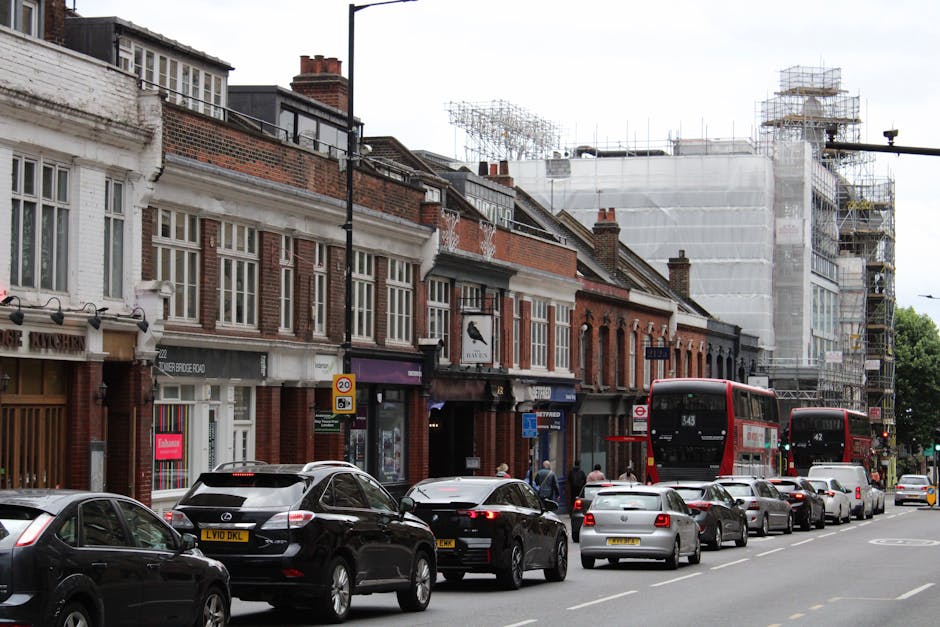
Streatham High Road Narrow Street Removals Insider Tips for Access
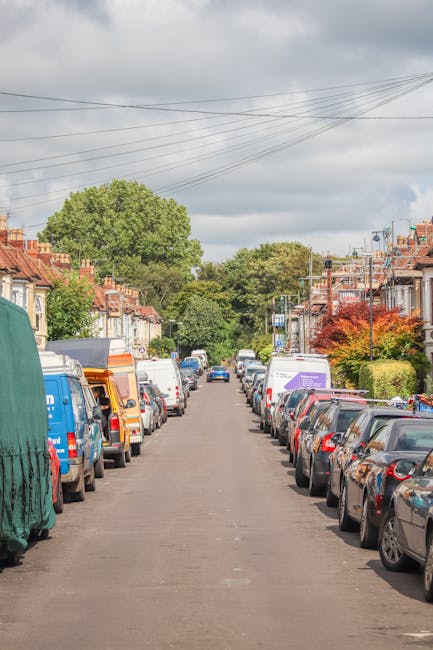
If you are trying to move on or near Streatham High Road, the hardest part is often not the lifting. It is the access. Tight kerbs, parked cars, buses, narrow side streets, awkward doorways, and that one basement stair that looks innocent until moving day all add up. Streatham High Road Narrow Street Removals Insider Tips for Access is really about planning the move around the street, not forcing the street to fit the move.
In practice, that means thinking about vehicle size, loading points, walking distance, timing, parking pressure, and whether your belongings can be carried safely without causing delays or damage. The good news? A well-run local move can feel calm and controlled even on a busy London road. You just need the right approach, and a bit of local common sense. Let's face it, the street rarely reads the script you had in mind.
This guide breaks down what matters, how access planning works, the mistakes people make, and the best ways to keep a Streatham move efficient. If you are comparing services, it also helps you understand which removal services are suited to restricted access rather than general, one-size-fits-all moving.
- Why access planning matters
- How the access process works
- Key benefits of planning ahead
- Who needs this kind of move
- Step-by-step guidance
- Expert tips for better results
- Common mistakes to avoid
- Tools, resources and recommendations
- Law, compliance, standards, or best practice
- Options, methods, or comparison table
- Case study or real-world example
- Practical checklist
- Conclusion
- Frequently asked questions
Why Streatham High Road Narrow Street Removals Insider Tips for Access Matters
Access is the hidden variable in almost every move. On paper, a job might look simple: a few rooms, a van, and some boxes. In the real world, Streatham High Road and the surrounding streets can make the job far more nuanced. A road can be busy at school run times, a side street can narrow without warning, and parking can disappear in a blink. You know the feeling: the van arrives, and suddenly everyone is looking for five extra metres that do not exist.
That is why access planning matters so much. It reduces loading time, protects your furniture, and lowers the chance of rushed decisions. It also helps the crew choose the right vehicle and the right loading strategy before anyone is carrying a wardrobe round a corner that was clearly not designed for it. To be fair, a lot of moving stress comes from trying to solve these issues on the fly.
For customers, good access planning can mean fewer trips, less waiting, lower labour effort, and a smoother handover at both ends. For the moving team, it means less strain, fewer hazards, and a better chance of keeping the day on schedule. That matters whether you are moving a flat above a shop, a terraced house with a tight front path, or a small office tucked behind the High Road.
There is another reason this topic matters: narrow-street moves are not just about convenience. They are also about safety and consideration. A blocked pavement, a van parked awkwardly near a junction, or bulky items carried through a shared entrance can create friction with neighbours and passers-by. A careful plan keeps things tidy. Quietly professional. Much better all round.
How Streatham High Road Narrow Street Removals Insider Tips for Access Works
At its simplest, access planning is the process of matching the move to the street, the property, and the timing. A good mover will normally ask questions about where the van can stop, how far items must be carried, whether there are stairs or lifts, and whether any permits, restrictions, or neighbours need to be considered. That information shapes the vehicle choice and the moving method.
Here is the practical flow:
- Assess the access at both addresses. Look at the road width, parking options, entrance points, staircases, and any obstacles such as planters, low branches, or tight corners.
- Match the vehicle to the street. A larger vehicle may carry more, but a smaller van can sometimes save time if the road is tight or parking is limited.
- Plan the carry distance. A short walk from van to door can keep things quick. A long carry across a busy pavement changes the whole rhythm of the move.
- Choose the right timing. Off-peak slots can reduce traffic pressure and make manoeuvring easier. Morning or midweek moves often feel less frantic, although local conditions vary.
- Prepare the property. Clear hallways, protect floors, reserve lift access if needed, and separate items that need special handling.
- Load in a sensible sequence. Heavy and awkward items first, lighter boxes later, with fragile goods protected properly.
If any part of that sounds obvious, good. The obvious bit is usually what gets skipped under pressure. A move is rarely ruined by one huge mistake. More often it is a chain of small assumptions. The van will fit. The parking will sort itself out. The sofa will turn that corner. Hmm. Sometimes it does, and sometimes it really does not.
For wider moving support, many customers also compare man and van options with full house removals depending on how tight the access is and how much needs moving. That choice matters because the right service level can make restricted streets feel far less punishing.
Key Benefits and Practical Advantages
When access is handled well, the benefits show up quickly and in very ordinary ways. The job feels calmer. Items are handled with less strain. Nobody is sprinting back and forth with boxes because the van could not stop where expected.
- Faster loading and unloading: Less waiting around means the whole day stays tighter and more predictable.
- Lower risk of damage: Fewer awkward turns, fewer rushed lifts, and less chance of banging furniture on walls or railings.
- Better use of labour: The crew spends more time moving items and less time problem-solving on the pavement.
- Reduced stress for you: Knowing the access plan is sorted makes the move feel less like a gamble.
- Better neighbour relations: A tidy, well-managed move is simply less intrusive.
There is also a financial angle. If access is poor and the job takes longer than expected, costs can rise. That does not always mean a move becomes expensive, but it does mean uncertainty creeps in. Clear access information helps a mover quote more accurately and schedule the right amount of time. If you want to understand how quote structure can work, the page on pricing and quotes is a useful companion when you are comparing options.
For many families and renters, the biggest advantage is simply momentum. Once things are loaded efficiently, the rest of the day tends to flow better. And frankly, on moving day, flow is gold.
Who This Is For and When It Makes Sense
This approach is especially useful if you are moving from or to a property where access is not straightforward. That could mean a narrow residential road off the High Road, a flat above a parade of shops, or a home where the nearest sensible stopping point is not directly outside the door.
You will likely benefit from access-first planning if you are:
- moving from a flat with stairs, no lift, or a shared entrance;
- living on or near a narrow road with limited parking;
- moving a sofa, mattress, piano, or other bulky item;
- working to a fixed handover time and cannot afford delays;
- moving a small office or business with equipment to protect;
- trying to keep costs under control by avoiding wasted time.
It also makes sense for people who simply do not want the day to become chaotic. That is a fair reason on its own. Not everyone is moving for fun. Most people are juggling keys, utilities, work calls, builders, children, or a landlord asking for photos of a room that still contains half a kitchen. Life happens.
If you are moving out of a rental, timing and property condition matter too. If you are moving furniture first and storing some items temporarily, it may be worth looking at storage as part of the plan rather than trying to force every item into one trip. That can remove a lot of pressure when access is tight.
Step-by-Step Guidance
The easiest way to approach a narrow-street move is to treat it like a small project. Nothing fancy. Just sensible preparation in the right order.
1. Measure the practical space, not just the room
Do not stop at room sizes. Look at hallway width, stair turns, door clearance, lift dimensions, and the width of the street at its narrowest point. It sounds obvious, but the gap between a room being big enough and a sofa actually getting out can be surprisingly awkward.
2. Identify the likely loading point
Ask yourself where the van can safely stop without blocking traffic, a driveway, or a neighbour's access. On a busier road, that may be a short distance away from the front door. If so, factor in extra carrying time. That small detail can change the whole schedule.
3. Decide what needs specialist handling
Not everything can be treated the same. A piano, large mirror, antique cabinet, or glass table may need different wrapping, more hands, or specific lifting technique. If you have anything delicate or unusually heavy, it is worth discussing it early rather than after the van has arrived.
4. Prepare the route inside the property
Move shoes, coats, bins, loose mats, plant pots, and clutter out of the path. Protect flooring where needed. Even a narrow strip of clear space can make a move calmer and safer. You will notice the difference immediately.
5. Load strategically
Start with the items that are awkward, heavy, or best placed at the bottom of the load. Then build around them with boxes and lighter items. Good stacking is not glamorous, but it saves time and keeps items secure. A van packed carelessly can feel like a mini earthquake on the first corner.
6. Leave a buffer
Give yourself breathing room. If you think the move will take two hours, it is wise to allow more. Narrow streets rarely reward optimistic scheduling. A little buffer is not a luxury. It is a pressure valve.
When you are unsure about the scale of the move, a smaller local vehicle may be more practical than forcing a large one into a tight street. Many customers compare removal van and moving truck options for exactly this reason. The bigger vehicle is not always the smarter one.
Expert Tips for Better Results
After enough moves, a pattern appears. The smoothest jobs usually have one thing in common: someone thought about access before the van turned up. Not everyone does, and it shows.
- Send photos early. A few clear pictures of the street, entrance, stairs, and parking situation can tell a mover far more than a vague description.
- Be honest about bulky items. The sofa that is "just a normal sofa" may actually be the one piece that makes or breaks the route.
- Check the turning space. A street can look wide enough from one angle and then suddenly pinch near a bend or parked car. That is classic London, really.
- Keep essentials separate. Documents, chargers, medication, valuables, and a kettle should stay easy to reach. No one enjoys hunting for a phone charger inside a pile of blankets at 8 p.m.
- Label by destination room. Even a simple handwritten label helps when the unloading point is far from the front door.
- Think about weather. Rain, wind, or early-morning damp can slow things down on exposed roads. It is a small thing until your hands are cold and the box tape stops cooperating.
A useful rule of thumb: if you would need to apologise for an access issue when the van arrives, mention it earlier. That tiny bit of honesty saves time and usually improves the plan. No drama, just clarity.
For especially tight or time-sensitive moves, some people also arrange same-day removals. That can work well for smaller jobs, but only if access is straightforward enough to keep the day moving.
Common Mistakes to Avoid
Most access problems are preventable. The awkward part is that they are also easy to underestimate. Here are the mistakes that cause the most disruption.
- Assuming the van will park right outside. On a narrow road, that is often the first thing that turns out to be wrong.
- Underestimating carry distance. Fifty metres does not sound like much until you have walked it twelve times with boxes.
- Forgetting stair turns and landings. A straight staircase is one thing. A tight landing is another.
- Booking a vehicle that is too large. Bigger is not better if it cannot sensibly access the property.
- Leaving packing until the last minute. Poor packing slows loading and makes awkward items harder to handle safely.
- Not mentioning building rules. Some blocks have lift windows, entry restrictions, or shared access considerations.
One of the sneakiest mistakes is failing to think about unloading just as carefully as loading. A lot of people focus only on getting out of the old property. But if the new place is trickier, the day can unravel just as easily at the other end.
And yes, I have seen the classic "we thought it would be fine" move. It usually isn't, or at least not without a scramble.
Tools, Resources and Recommendations
You do not need a van full of specialist gear to manage a narrow-street move, but a few tools and practical supports make a real difference.
| Tool or resource | Why it helps | Best use case |
|---|---|---|
| Furniture blankets | Protects finishes, corners, and edges | Wooden furniture, wardrobes, shelving |
| Strong tape and labels | Keeps boxes organised and easy to sort | Most domestic moves |
| Protective floor covering | Reduces scuffs in hallways and entrances | Shared entrances and rented homes |
| Measuring tape | Helps confirm door widths, stair turns, and furniture fit | Bulky items and tight access |
| Photos of access points | Gives the mover a realistic view before arrival | Any narrow street or awkward property |
As a practical recommendation, start with a reliable packing system before worrying about speed. Good packing often saves more time than rushing ever will. If you need help with wrapping and organisation, packing and unpacking services can take a surprising amount of pressure off a tight move.
You may also find it useful to compare house removalists with removal companies if you want a broader view of service levels, especially when access is the main concern and not just the number of boxes.
Law, Compliance, Standards, or Best Practice
For most residential moves, the key point is not complex law, but sensible compliance and safe working practice. In London, parking restrictions, loading rules, and local street conditions can affect how and where a vehicle stops. These details can vary by road and by time of day, so it is sensible to check before move day rather than guessing.
From a safety perspective, good movers should use reasonable manual handling practices, protect the property where appropriate, and avoid creating unnecessary hazards on the pavement or road. If a street is tight, the safest plan may be to use smaller loads, more careful sequencing, or a different vehicle rather than trying to force a one-trip solution. That is not a weakness. It is good judgement.
Insurance matters too. If you are moving valuable, fragile, or heavy items, ask how goods are handled and what cover is in place. It is also wise to understand the company's terms on access, delays, and parking-related waiting time. If you are comparing providers, their insurance and safety information and health and safety policy can help you judge how seriously they take restricted-access work.
Best practice also includes clear communication. If the van cannot park directly outside, say so. If the entrance is shared, say so. If there is no lift, say so. The more complete the picture, the safer and more efficient the move will be. Simple, but powerful.
Options, Methods, or Comparison Table
Different access situations call for different approaches. There is rarely one perfect method; the trick is choosing the least stressful one for the street you actually have.
| Approach | Best for | Pros | Trade-offs |
|---|---|---|---|
| Small van or man with van | Narrow roads, short to medium moves, quick local jobs | More flexible parking, easier manoeuvring, often faster access | May require more trips for larger loads |
| Larger removal vehicle | Heavier loads with better street access | Can reduce trips and consolidate items | May struggle on tight roads or limited parking |
| Part-load approach | Flexible timelines or smaller volumes | Can suit awkward access and lighter budgets | Less direct if you need everything moved in one go |
| Two-person handling for awkward items | Pianos, large sofas, heavy white goods | Better control and safer lifting | May cost more than standard item handling |
For larger or business-related relocations, a more structured service can make sense. If you are moving equipment, files, or workstations from a tight-access site, the detail in office removals and commercial moves may be more relevant than a simple domestic checklist.
Case Study or Real-World Example
Imagine a second-floor flat just off Streatham High Road. The road is busy in the morning, parking is limited, and the staircase inside the building turns sharply on the landing. The customer has a bed frame, a sofa, several boxes, and a mirror. Nothing outrageous. Just enough to get awkward if no one plans properly.
Here is how a sensible access-led move might play out. First, the customer sends a few photos of the entrance and staircase. The mover spots that the van probably cannot sit directly outside for long, so a smaller vehicle is chosen. The bed is dismantled in advance, the mirror is wrapped separately, and boxes are labelled by room. Because the carry from van to door is a short walk rather than a long haul, the loading stays efficient even though the street is tight.
What changed the day? Not luck. Preparation. The move did not become easy, but it became manageable. The sofa still needed a careful turn. The landing still felt a bit snug. But there was no panic, no last-minute reshuffle, and no damaged wall corners. That is usually what a good move looks like in real life: not flashy, just steady.
And if a job like that needs a smaller-scale crew, it is worth looking at man with a van or even man with van support for flexible access conditions. Different wording, same basic point: use the setup that suits the street, not the one that merely sounds bigger.
Practical Checklist
Use this before moving day. It is simple, but it catches most of the problems that cause delay.
- Confirm both addresses and note any tight access points.
- Check whether the van can stop close enough for safe loading.
- Measure wide furniture, stair turns, and door frames.
- Take photos of entrances, parking areas, and any obstacles.
- Ask about vehicle size and whether a smaller van would be smarter.
- Separate fragile, valuable, and essential items early.
- Label boxes clearly by room and priority.
- Clear hallways, landings, and the path from door to van.
- Check for building rules, lift booking requirements, or access windows.
- Keep a little buffer in the timetable.
Quick practical reminder: if something feels uncertain, mention it before move day. A five-minute conversation can save an hour of hassle. Sometimes more.
Get a free quote today and see how much you can save.
Conclusion
Streatham High Road and the streets around it can make removals feel tighter, slower, and more complicated than they first appear. But access problems are very often manageable when you plan for them properly. The key is to think about where the van will stop, how items will be carried, what size vehicle actually suits the road, and what needs extra care before anyone starts lifting.
If you remember only one thing, make it this: narrow-street moves reward preparation. The more honest and specific the access information, the smoother the day tends to be. That is true for flats, family homes, offices, and one-off item moves alike.
So take the photos, measure the awkward bits, ask the practical questions, and choose a moving setup that matches the reality of the street. Small decisions, but they really do stack up. And when the van finally pulls away and the last box is inside, that calm, finished feeling is worth the effort.
For a bit more background on the area and how local moves fit into it, you may also find the comprehensive guide to Streatham property and Streatham's local neighbourhood overview useful reading.
Frequently Asked Questions
What does narrow-street access mean for removals?
It means the moving vehicle may not be able to park directly outside the property, or may have limited room to turn, stop, or unload. In practice, that affects timing, carrying distance, and the type of vehicle that works best.
How do I know if my Streatham property has difficult access?
Look for tight roads, parked cars, limited waiting space, narrow hallways, stairs without a lift, basement entrances, or awkward corners. If you are unsure, send photos and measurements before the move.
Is a smaller van better for narrow streets?
Often, yes. A smaller van can be easier to position on a narrow road and may reduce the chance of parking complications. That said, the best choice depends on the amount of furniture and the carry distance.
Should I mention parking issues before booking?
Absolutely. Parking is one of the biggest factors in move-day delays. If the van cannot stop nearby, the mover needs to know early so the job can be planned properly.
Can I still move on a busy road like Streatham High Road?
Yes, but you should plan carefully. Busy roads are common in London, and a move can still work well if the timing, vehicle size, and loading point are thought through in advance.
What if my sofa or wardrobe will not fit through the stairwell?
Then it may need dismantling, specialist handling, or an alternative route. It is best to check dimensions before moving day rather than discover the issue halfway through the job.
How much extra time should I allow for narrow access?
There is no fixed rule because every property is different. A sensible buffer helps, especially if parking is uncertain or the carry distance is longer than expected.
Do I need to prepare the hallway and entrance?
Yes. Clearing the path helps protect your belongings, reduces trip hazards, and makes the move more efficient. It also makes the job easier for everyone involved, which never hurts.
What kind of move benefits most from access planning?
Flat moves, house moves with large furniture, office relocations, and same-day moves all benefit. Any move with limited parking or narrow internal routes is worth planning carefully.
Is it worth paying for professional help on a difficult street?
Usually, yes. Professional movers bring experience, equipment, and practical judgement that can save time and reduce damage risk. On a tricky street, that experience is often the difference between smooth and stressful.
What should I ask a mover about access before I book?
Ask what vehicle they would use, whether they need photos, how they handle long carry distances, what their policy is on waiting time, and whether they have experience with restricted access properties.
Can I combine removals and storage if access is tight?
Yes, and sometimes that is the smartest route. If not everything needs to go to the new address immediately, storage can reduce pressure and make the move much more manageable.
Moving in a tight part of Streatham does not have to feel chaotic. With the right planning, a realistic vehicle choice, and a clear understanding of the access points, the whole thing becomes far more manageable. A bit of patience goes a long way, and honestly, that is half the battle.